
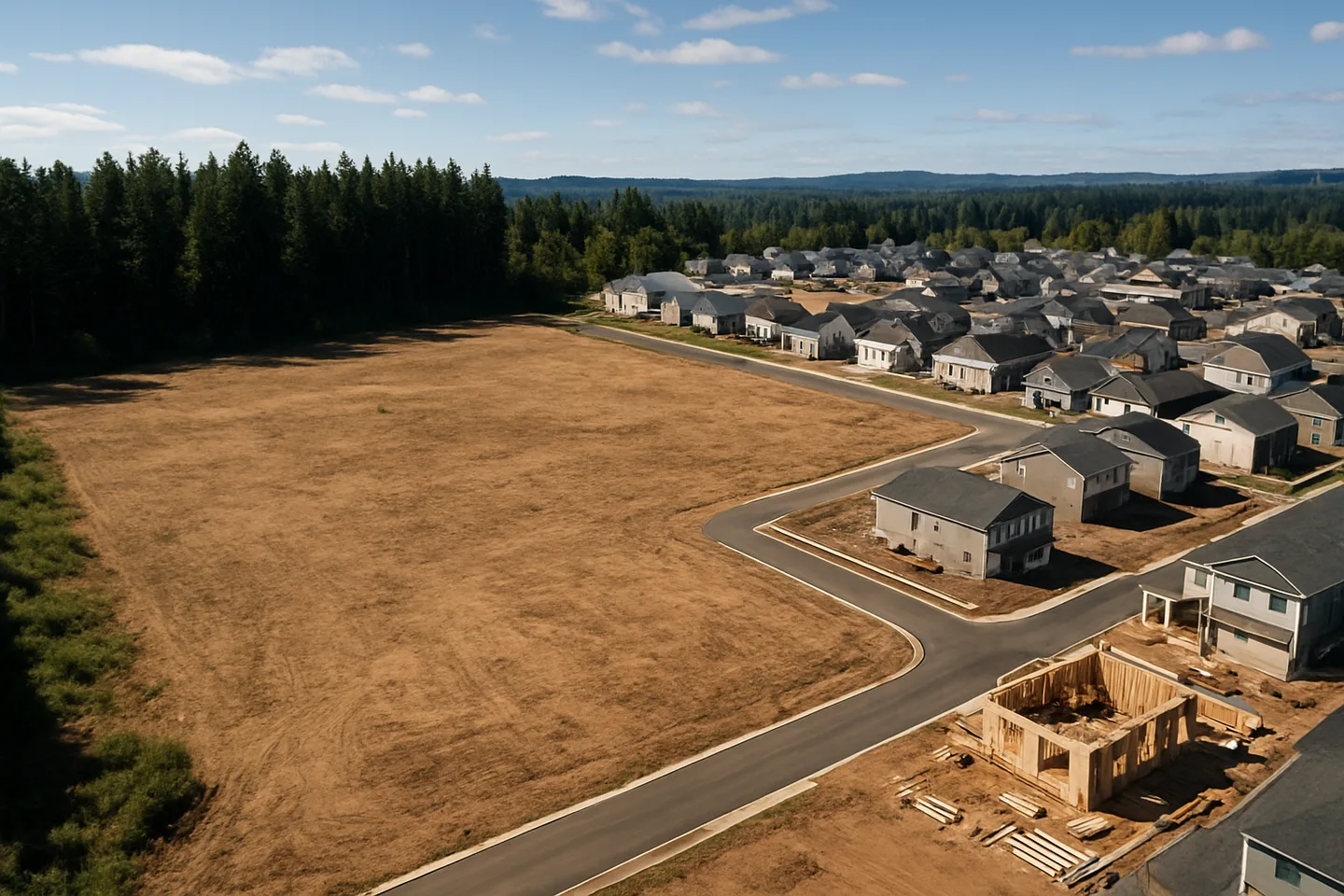
How to Sell Land To A Developer for Cash
Selling Land To A Developer: The Basics
If you own a parcel of land and are considering selling it, a developer may be your ideal buyer. Unlike traditional buyers, a developer is not purchasing the property for personal use. They are buying potential, the vision of what the land could become. As a landowner, understanding the land selling process with developers helps you get the best deal in the current real estate market. Developers look for parcels that match their project needs: residential subdivisions, commercial buildings, or mixed-use developments. When you sell your land to developers, you enter a transaction that moves differently from a typical sale. The timeline is longer, the due diligence is more thorough, and the negotiation has more moving parts.
Understanding Land To A Real Estate
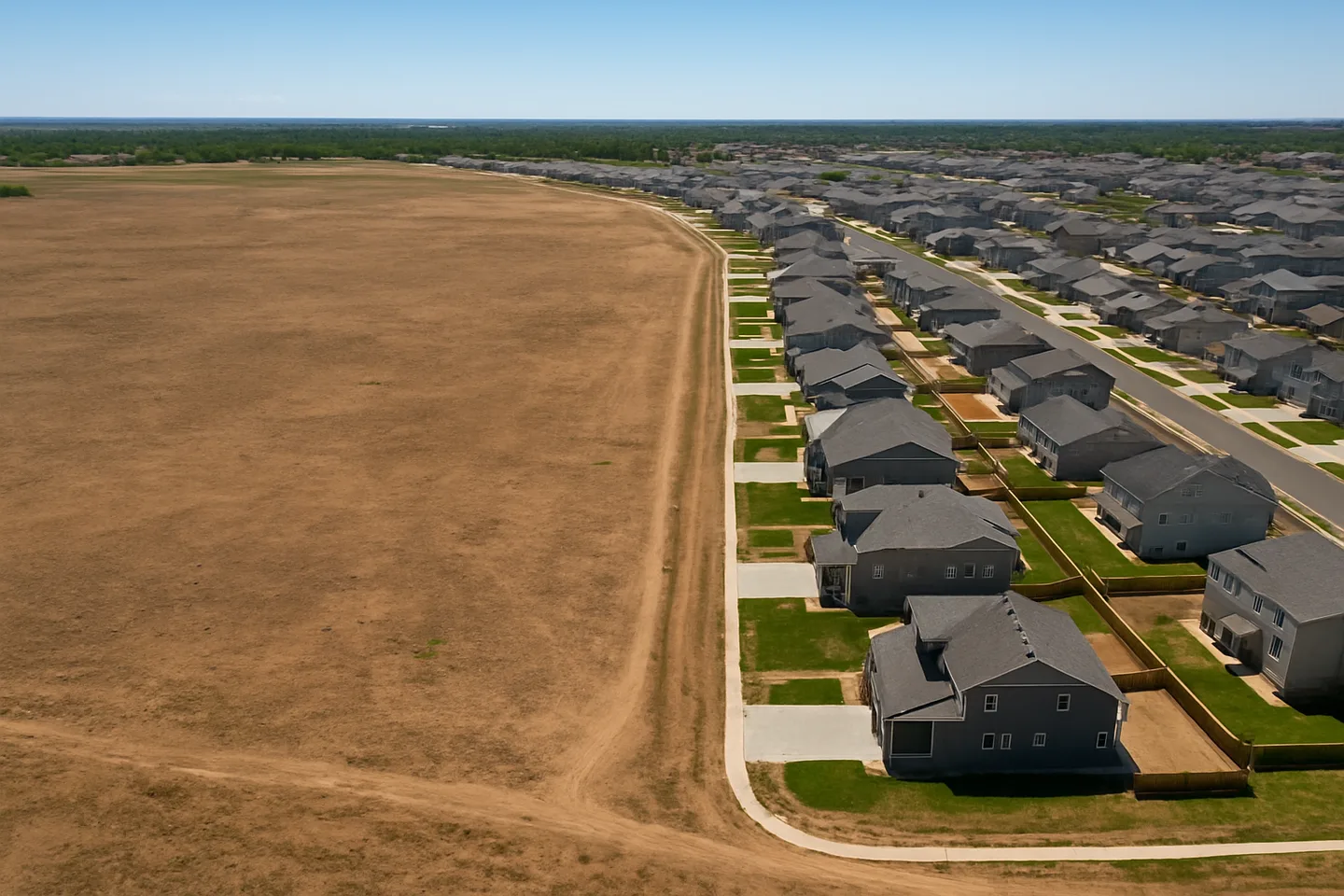
To secure a successful sale, you need to understand how a real estate developer thinks. Developers value land using a residual method, calculating the maximum they can pay after subtracting all development costs and profit margins from the projected sale price of the finished project. This means your land's market value to a developer depends entirely on what they plan to build.
Before you market your land, determine its highest and best use. This considers the zone classification, topography, access, utilities, and surrounding development. A residential developer may pay a higher price for flat, well-connected land near growing suburbs. Understanding these factors helps you target the right land developers and negotiate from a position of knowledge.
The relationship between landowners and developers is a negotiation, not a simple sale of your property. Do not sell to the first buyer who shows interest. Developers often approach landowners directly, sometimes before the land is listed. Networking with local real estate professionals and connecting with officials who manage zoning can help you identify developers interested in your area. Market trends affect what developers are willing to pay for a land sale. In a strong real estate market, developers compete and may offer above market value. In slower periods, waiting for the land value to recover may be smart if you can afford to hold. Keep in mind that holding costs like property taxes add up. A landowner who monitors market conditions will know when the time is right. Whether you sell land to a real estate developer or through a real estate agent, understanding the selling process from the developer perspective reduces the risk of the transaction falling through.
Step-by-Step: How to Sell Land To A Developer
Step 1: Assess your property value and development potential. Determine the zone classification, permitted uses, and what type of development the site could support. Check with your county planning department for pending changes. A real estate professional with land expertise can help you evaluate property value accurately.
Step 2: Prepare a due diligence package. Sellers should compile existing surveys, environmental reports, title reports, and zoning verification letters. Having these ready signals to potential buyers that you are serious. This reduces friction in the selling process.
Step 3: Find the right developer. Target developers whose projects match your land for development. If you own vacant land in a growing suburb, contact residential builders. Listing your property online and connecting with real estate development firms are effective strategies to sell land to a developer.
Step 4: Negotiate the deal. Developers typically build negotiation margins into initial offers. Counter by requesting a larger non-refundable earnest money deposit, a shorter due diligence period, or a faster closing timeline. The purchase price is just one element of the negotiation. Hire a real estate professional to assist with the sale if needed.
Step 5: Navigate due diligence and close. Expect a 90 to 180 day due diligence period. During this time, the developer will investigate zoning, environmental conditions, and whether a permit for the intended use can be obtained. Negotiate for full disclosure of all survey reports generated, regardless of whether the deal closes. A developer needs approval from local authorities before construction can begin.
Developer Directly: Key Considerations
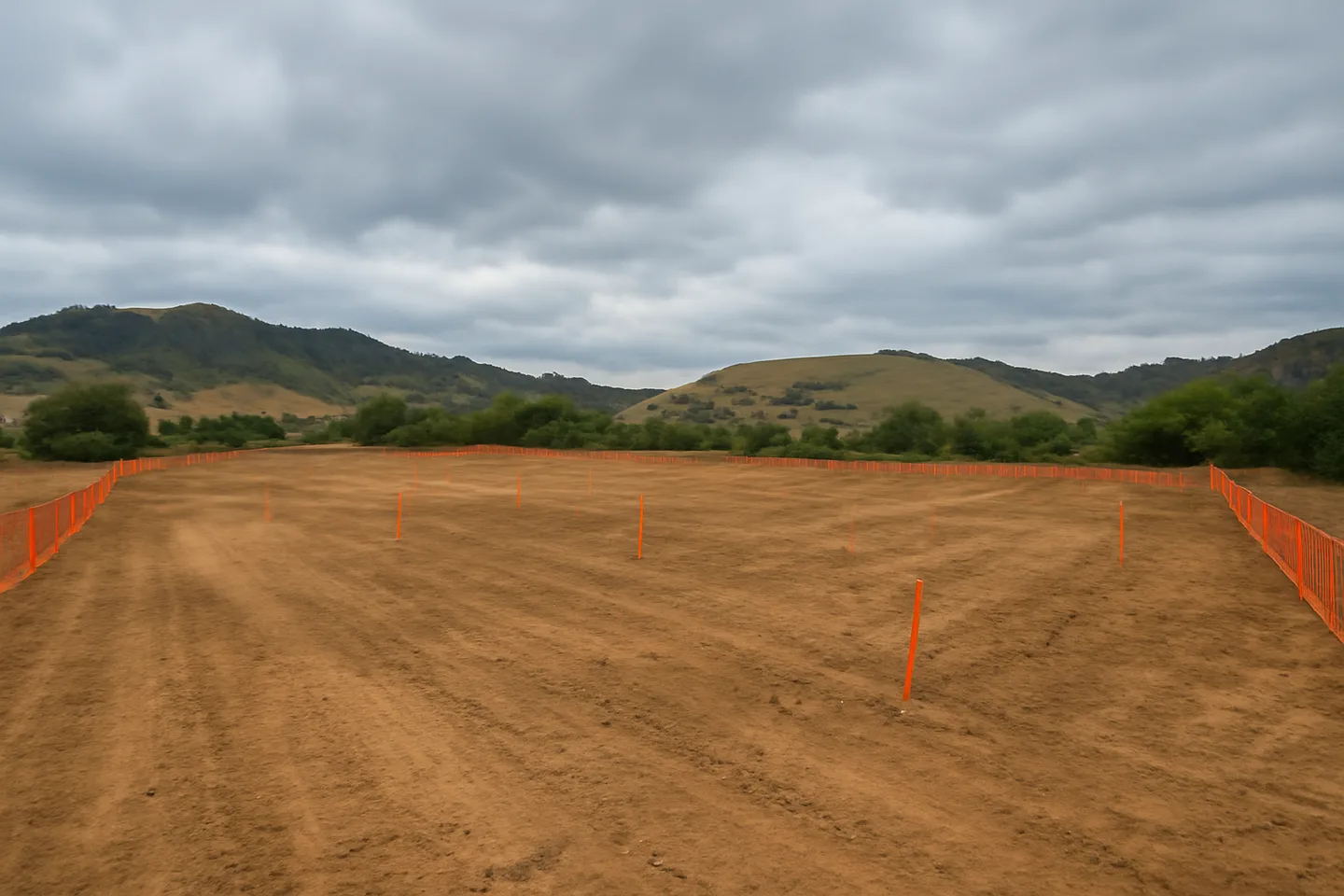
Selling land to developers comes with unique challenges. Developers are skilled negotiators who buy land professionally. They may include contingencies that let them walk away if zoning or permits do not come through. Protect yourself by requiring non-refundable earnest money after an initial review period.
Conditional contracts are common. Developers often make offers contingent on receiving development approval. This means the transaction could take months and still fall through. If other potential land buyers are interested, a non-contingent offer from a cash buyer may be worth considering even at a lower price.
The spread between raw land value and fully entitled land can reach 300-400%. If developers interested in your property need rezoning, you could potentially pursue entitlement yourself to maximize your profit. However, rezoning costs for application fees, consultant work, and legal fees can exceed $100,000. Weigh the potential gain against the investment.
Property prices and developer demand fluctuate with market conditions, interest rates, and local growth patterns. Selling when developers may be actively seeking sites gives you the best price. Monitor new construction activity in your area to gauge demand.
Common Questions About Help You Sell Land
How much will a developer pay for land?
Developer pricing depends on the residual land value method. They calculate what the finished project will sell for, subtract all development costs and profit margin, and the remainder is what they will pay for the raw land. Factors include zone classification, approval status, and market conditions. Always get multiple offers. Listing your property online helps attract real estate experts and land buyers.
How can I minimize capital gains tax when selling land?
A 1031 exchange allows you to defer capital gains tax by reinvesting the proceeds into a like-kind property. An installment sale spreads the tax burden across multiple years. Consult a tax professional for advice specific to your land transaction.
Can you sell land to a developer without an attorney?
While not legally required in most states, working without an attorney when selling to a developer is risky. Development contracts include complex contingencies and due diligence provisions. A real estate professional with legal expertise can protect your interests. The benefits of selling land with professional guidance outweigh the cost.
Ready to Sell Your Land? Next Steps
Whether you are looking to sell your land to a developer or exploring other options, understanding your property's zone classification and development potential is the first step. Entitled land with approved zoning can command a higher price, but selling raw land to the right buyer is also a proven path.
If you prefer a faster alternative, we can help. At Cash Buyers for Land, we provide fair cash offers on parcels across the country and can close in as little as 2 weeks. Reach out for a no-obligation consultation.
Need to sell your land? We buy land directly from owners for cash, with no fees, no commissions, and we close in as little as 2 weeks.
Loading form...
Sell Your Your Area Land for Cash
Ready to sell? We buy land directly from owners across Your Area. Get a fast, no-obligation cash offer.