
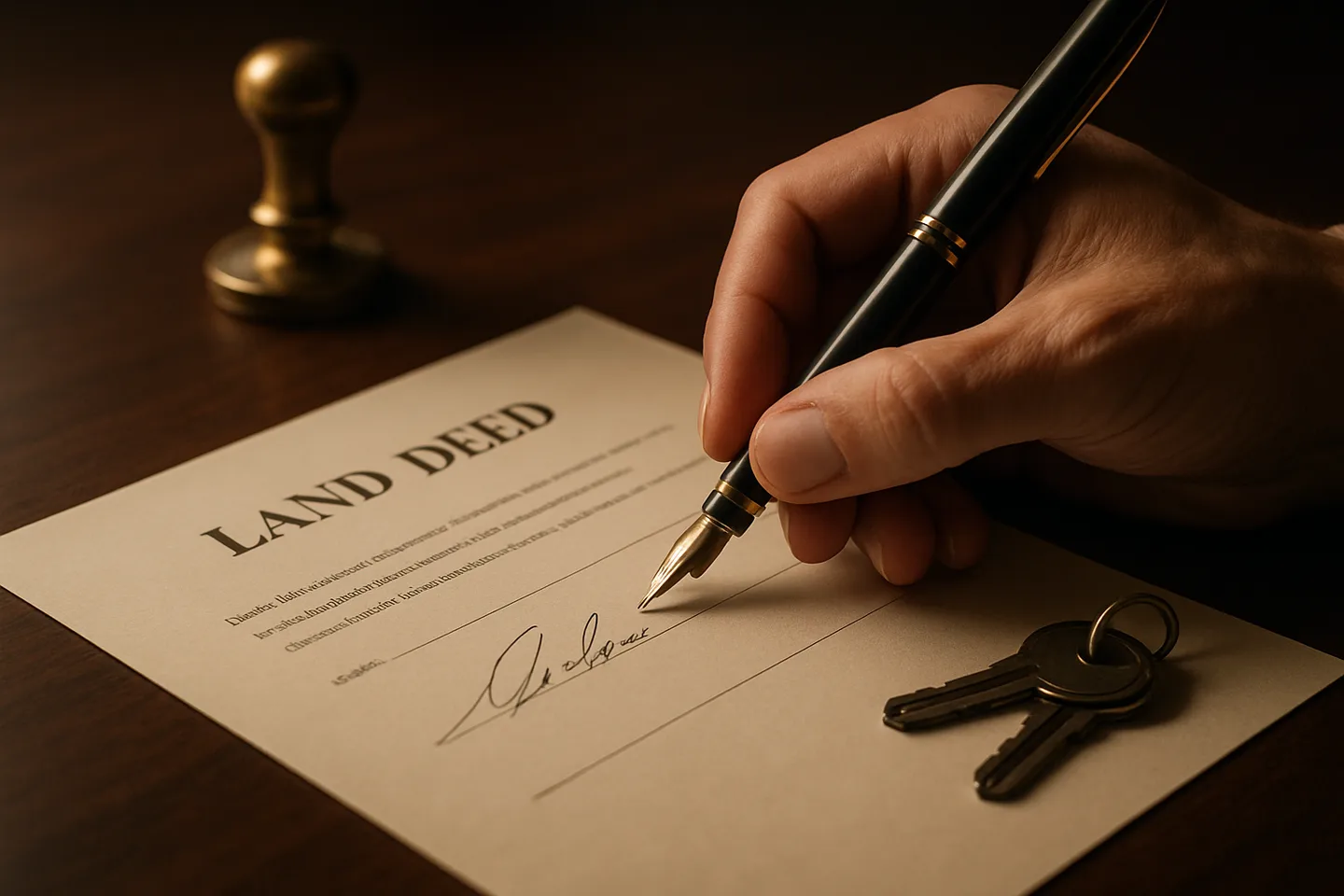
Legal Documents For Selling Land: What Landowners Should Know
How to Sell Land
The documents needed to sell land fall into a few key categories: proof of ownership, a land sale agreement, disclosure forms, and closing paperwork. At minimum, you will need a deed, a purchase agreement, a current property tax statement, and any state-required disclosures. A land survey and property maps also help potential buyers understand the boundaries of your parcel. Whether you are selling vacant land for cash or listing with a real estate agent, these essential documents protect both the seller and the buyer. The documents you need may vary by state, but the core paperwork is consistent. Having everything organized upfront prevents delays in any land sale.
Why Selling Land By Owner Matters
The process of selling land differs from selling a home. Land transactions are simpler in some ways, but the documentation requirements are just as important. When you sell land by owner, you handle the paperwork yourself, which makes understanding each legal document essential.
The title deed is the most critical document. It proves you own the property and authorizes the transfer from seller to the buyer. A warranty deed guarantees clear title, while a quitclaim deed transfers your interest without guarantees. Most land buyers prefer a warranty deed because it offers stronger protection.
An updated land survey establishes the boundaries of your land, identifies easements, and reveals encroachments. Surveys typically cost $300-$800 for vacant land and are often required by title companies before closing. Most states require the seller to disclose known issues with the property, including environmental concerns, easements, and boundary disputes. Providing complete information about the property upfront builds trust and reduces the chance of legal disputes after closing.
If you need to sell your land quickly and want to sell your property as a sale by owner, having these key documents ready before listing lets you move fast when the right buyer appears. Selling your property independently means you are responsible for every document. Whether you recently inherited the parcel or have owned it for decades, the same essential paperwork applies. A real estate attorney when selling can review everything for a few hundred dollars, which is worth the peace of mind. Understanding the value of your land, the legal documents required, and the disclosure rules in your state leads to a successful sale. Be upfront about property taxes owed and any access limitations.
How to Sell Land By Owner
Here are the required documents and steps to get through the sale process smoothly, whether you're selling a small lot or a large parcel.
Step 1: Verify ownership. Confirm that your property deed is current and accurately reflects who owns the land. If the deed lists a deceased person, you may need probate or an affidavit of heirship. The deed is the foundation of every land transaction, and ownership of the property must be clear before you can proceed.
Step 2: Get a title report. Title companies will search public records to confirm there are no liens, judgments, or claims against the property. Title insurance protects the buyer against undiscovered issues. The seller typically pays for the owner's title insurance policy, which costs 0.5-1% of the sale price.
Step 3: Draft the sale contract. The sale agreement formalizes the terms of the sale. It should include the legal description, purchase price, earnest money amount, contingencies, closing date, and closing costs allocation. Both parties sign before moving to closing. Getting this right is essential for a smooth sale.
Step 4: Complete disclosures. Fill out any state-required disclosure forms. Be thorough and honest. The documents needed to sell land legally include full disclosure of known defects, environmental issues, and boundary disputes. Incomplete disclosures can lead to lawsuits after the deed transfers to the new owner.
Step 5: Close the deal. At closing, the deed transfers and the buyer becomes the new owner. Title companies handle the exchange of funds, record the deed, and distribute the closing statement. Once the sale process is complete, keep copies of all essential paperwork for your records. Land value and condition do not change the documents for selling requirements.
Common Challenges With Legal Documents For Selling Land

Even experienced sellers run into documentation issues. Here are the most common challenges.
Title defects. A title search may reveal unexpected liens, judgments, or ownership disputes. If the legal description in the deed does not match the survey, that discrepancy needs correction. Work with a real estate lawyer to clear any cloud on the title. These issues can delay or kill a deal if not addressed early.
Outdated surveys. If your survey is decades old, the boundaries may not reflect current conditions. Property line disputes with neighbors are common when boundaries have not been verified recently. An updated survey is one of the required documents you must have for a clean land transaction.
Missing disclosures. Legal requirements for selling vary by state. Missing a required disclosure can expose you to liability after closing. Selling land without complete documentation carries risk.
straightforward sale. If you offer seller financing through a land contract, additional legal documents are needed, including a promissory note and deed of trust. These must comply with federal lending regulations. A real estate lawyer should review these documents to protect the land value of your property.
Common Questions About Need To Sell
What are the essential documents for a land sale?
The essential documents needed to sell are: the deed (transfers ownership), the purchase agreement (outlines terms of the sale and sale price), the disclosure form (reveals known issues), and the closing statement (details all financial aspects). Additional documents include a land survey, title insurance policy, and tax records. If you want to sell your land and are considering selling land without an agent, these are the minimum you should prepare. A real estate attorney can review your documents for a modest fee.
Are tax records necessary when selling land?
Yes. Current property tax records confirm that taxes are paid and help the title company calculate prorated taxes at closing. They also provide the buyer with information about annual obligations. Tax records are part of the selling process for every land contract.
Are there risks in selling without legal help?
Selling without a real estate attorney is legal but carries risks. Errors in the deed, missing disclosures, or a poorly drafted sale agreement can lead to lawsuits or failed closings. An attorney typically charges $500-$1,500 to review documents. For most sellers who are ready to sell, this is a small cost compared to the risk.
Your Options for Documents Needed To Sell Land
Having the right documents organized before you list makes the entire process smoother. Whether you sell your land by owner or work with a professional, the paperwork requirements are the same. Start by confirming your deed, ordering a title report, and gathering your survey and tax records.
If you are looking to sell your land and want to skip the complexity of managing paperwork yourself, we can help. At Cash Buyers for Land, we handle all the documentation and closing costs. A real estate attorney reviews every transaction. Reach out for a no-obligation cash offer, and we can typically close in as little as 2 weeks.
Need to sell your land? We buy land directly from owners for cash, with no fees, no commissions, and we close in as little as 2 weeks.
Loading form...
Sell Your Your Area Land for Cash
Ready to sell? We buy land directly from owners across Your Area. Get a fast, no-obligation cash offer.